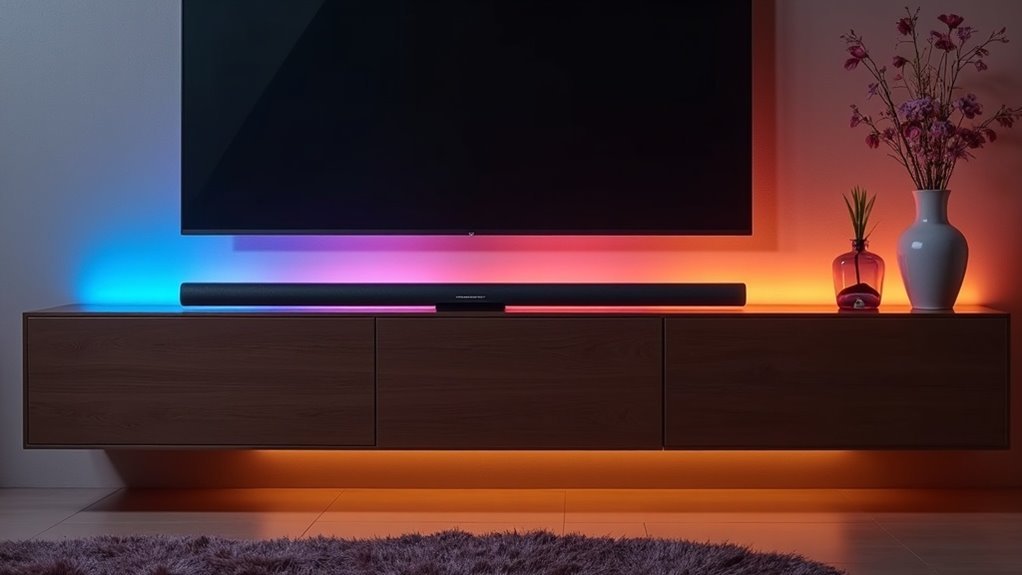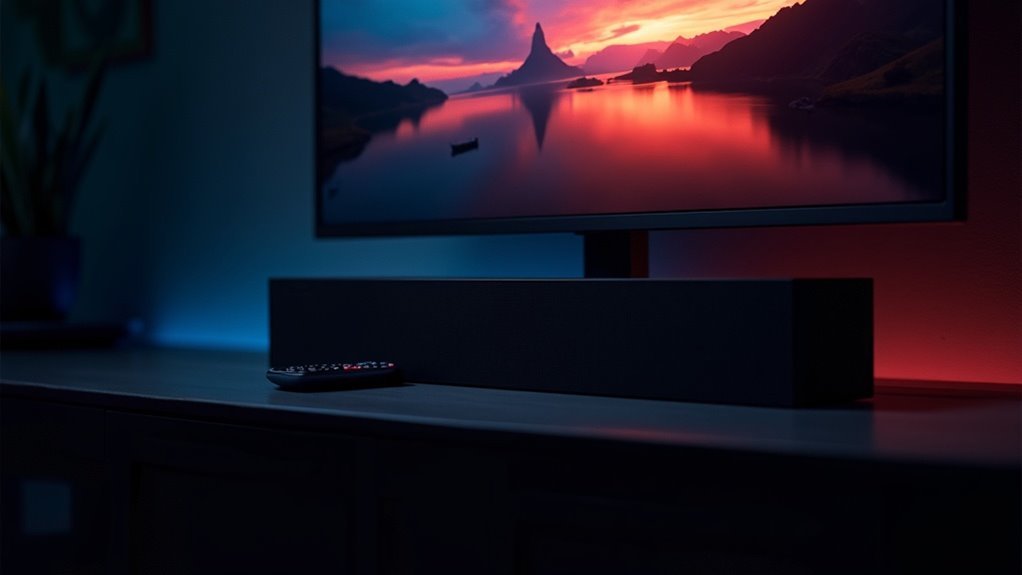
Many soundbars are compatible with Dolby Vision passthrough, but they must meet specific HDMI specifications. Look for models equipped with HDMI 2.0 or higher ports and support for HDMI ARC or eARC to ensure optimal performance. It’s crucial to verify that the soundbar explicitly states support for Dolby Vision passthrough, as not all soundbars that feature Dolby Atmos include this capability. Always check the specifications before making a purchase. To discover the best soundbar options and find troubleshooting tips, continue exploring our site!
Key Takeaways
- Not all soundbars support Dolby Vision passthrough; it’s essential to check the specifications before purchasing to ensure compatibility.
- For optimal Dolby Vision performance with soundbars, HDMI ARC or eARC connections are necessary.
- Look for soundbars that feature HDMI 2.0 or higher to support 4K HDR content and Dolby Vision passthrough.
- If your soundbar does not support Dolby Vision passthrough, consider directly connecting devices to the TV to resolve any issues.
- Choose soundbars that clearly advertise their Dolby Vision capabilities to avoid any confusion regarding compatibility.
Understanding Dolby Vision and Its Importance
When you enjoy movies or shows, having the best picture quality is important, and that’s where Dolby Vision comes into play. This premium HDR format enhances your viewing experience by providing greater brightness, contrast, and a wider color spectrum compared to standard HDR.
With dynamic metadata, Dolby Vision adjusts brightness and color on a scene-by-scene basis, delivering stunning visuals. For the best playback, it’s crucial to have compatible hardware, including soundbars that support the necessary HDMI connection.
However, be aware that while many soundbars support Dolby Atmos for immersive audio, not all of them provide Dolby Vision passthrough, which is essential for maintaining top-tier video quality alongside the enhanced sound experience.
Key Features of Soundbars Supporting Dolby Vision
When choosing a soundbar that supports Dolby Vision, HDMI compatibility is essential; you’ll need HDMI ARC or eARC for peak performance.
This connection guarantees that both audio and video can transmit seamlessly, maintaining sync and enhancing your viewing experience.
Additionally, understanding how to set up your soundbar properly can prevent common pitfalls related to audio-video synchronization, ensuring you enjoy the best sound and picture quality during your movie nights.
HDMI Compatibility Requirements
To fully enjoy Dolby Vision passthrough with your soundbar, it’s essential to ensure that it meets specific HDMI compatibility requirements.
Here’s what to check for your soundbar setup:
- Confirm that your soundbar features HDMI 2.0 or higher ports to support 4K HDR content.
- Use HDMI ARC or eARC connections to ensure high-quality audio and video transmission.
- Check the specifications of your soundbar to ensure it explicitly states support for Dolby Vision passthrough.
- Utilize high-speed HDMI cables rated for 18 Gbps to maintain optimal performance during use.
Audio-Video Sync Importance
Maintaining audio-video sync is crucial for an optimal soundbar experience, especially when enjoying Dolby Vision content.
Soundbars that support Dolby Vision passthrough play a significant role in this process, ensuring that the video signal passes through without degradation while processing the audio for enhanced playback.
HDMI passthrough capabilities, often equipped with HDMI ARC or eARC ports, facilitate seamless communication between your TV and soundbar, keeping audio and video perfectly in sync.
If your soundbar lacks Dolby Vision passthrough support, you may encounter frustrating audio-video sync issues.
Always check manufacturers’ specifications to select soundbars that guarantee superior performance for Dolby Vision playback.
HDMI Specifications Necessary for Dolby Vision Passthrough
For a soundbar to effectively passthrough Dolby Vision, it’s crucial that it features HDMI 2.0 or higher ports, with HDMI 2.1 being the ideal choice for maximum bandwidth.
A soundbar must have HDMI 2.0 or higher ports for effective Dolby Vision passthrough, with HDMI 2.1 being the best option.
Here are key specifications you need to check when considering a soundbar:
- HDMI Ports: Verify the soundbar has HDMI 2.0 or 2.1 ports.
- High-Speed HDMI Cable: Use a cable rated for 18 Gbps to ensure proper performance.
- Connection Type: Connect your soundbar via HDMI ARC or eARC for optimal Dolby Vision passthrough.
- Port Designation: Confirm which HDMI ports on the soundbar support Dolby Vision passthrough.
It’s important to note that utilizing optical or analog outputs can lead to sync issues and won’t support Dolby Vision, so ensure you’re using the appropriate HDMI connections for the best experience.
Top Soundbars With Dolby Vision Compatibility
When searching for soundbars with Dolby Vision compatibility, consider top models like the Samsung HW-N950 and Sony HT-ST5000.
These soundbars not only deliver immersive audio but also support high-quality 4K HDR video.
Be sure to pay attention to key features such as HDMI specifications and user experiences to ensure you’re making the best choice for your home theater setup.
Notable Dolby Vision Models
Dolby Vision compatibility in soundbars enhances your home entertainment experience by seamlessly integrating stunning visuals with immersive audio.
Here are some notable models that support Dolby Vision passthrough:
- Sony HT-ST5000 – Delivers high-quality video and audio.
- Sony HT-Z9F – Offers a robust audio-visual experience.
- Samsung HW-N950 – Combines Dolby Atmos with Dolby Vision for an enriched experience.
- Samsung HW-Q950A – Features HDMI eARC for seamless audio and video integration.
These soundbars ensure that you can enjoy Dolby Vision content without compromising on quality, although user experiences with passthrough reliability may vary.
Key Features to Consider
When considering a soundbar with Dolby Vision compatibility, it’s crucial to evaluate several key features that can significantly enhance your viewing experience.
Look for models such as the Sony HT-ST5000 or Samsung HW-Q950A, which provide improved video quality through Dolby Vision passthrough. Ensure that the soundbar supports HDMI 2.0 or higher and includes HDMI ARC or eARC to keep audio and video perfectly in sync.
It’s important to note that some soundbars may not support both Dolby Vision and Dolby Atmos simultaneously, so always check the compatibility specifications carefully.
Clear marketing regarding Dolby Vision capabilities is vital, as many consumers prioritize soundbars specifically designed to leverage this advanced feature for optimal performance.
User Experience Highlights
Many users have found that soundbars featuring Dolby Vision passthrough, such as the Sony HT-ST5000 and Samsung HW-Q950A, significantly elevate their audio-visual experience.
Here are some key highlights:
- Immersive Sound: The surround sound capabilities make movies and music truly come alive.
- High-Quality Visuals: Dolby Vision support ensures stunning picture quality for an enhanced viewing experience.
- User-Friendly Experience: Easy setup and seamless integration contribute to a smooth and enjoyable user experience.
- Market Demand: There’s a growing request for more models with Dolby Vision passthrough, indicating an opportunity for brands to expand their offerings.
Understanding these features can aid you in making informed decisions when selecting your next soundbar.
User Experiences With Dolby Vision and Soundbars
How do users navigate the complexities of Dolby Vision passthrough with soundbars? Your experience can vary greatly depending on the model you choose. Some soundbars deliver stunning 4K HDR output, while others may restrict it to 1080p. Check the table below for a quick reference on common user experiences with various soundbars.
| Soundbar Model | Dolby Vision Support |
|---|---|
| LG SN7CY | Often disrupts |
| Samsung Q950A | Full 4K HDR |
| Sonos Arc | Limited to 1080p |
| Vizio SB36512 | Stable 4K output |
For optimal performance, consider direct connections to your TV, as this often resolves passthrough issues during setup.
Troubleshooting Dolby Vision Issues With Soundbars
When troubleshooting Dolby Vision issues with soundbars, it’s essential to understand the role of HDMI connections.
Follow these steps to resolve problems effectively:
- Ensure you’re using a certified HDMI cable rated for 18 Gbps to achieve optimal Dolby Vision performance.
- Verify that both your soundbar and TV support HDMI ARC or eARC connections for seamless audio and video transmission.
- Review the HDMI Deep Colour settings on your TV to confirm they’re enabled for enhanced picture quality.
- If issues persist, consider performing a factory reset on your soundbar and other connected devices to restore default settings.
Alternatives for Achieving Dolby Vision Quality
Troubleshooting Dolby Vision issues can often lead you to explore alternatives for achieving high-quality video output with soundbars.
Connecting your streaming device directly to the TV, instead of through the soundbar, often preserves Dolby Vision quality, as many soundbars struggle with passthrough capabilities.
If your soundbar supports HDMI switching, consider using an HDMI switch certified for Dolby Vision to effectively manage multiple devices while maintaining high video fidelity.
Additionally, bypassing the soundbar for video signals and routing audio separately can help you enjoy both Dolby Vision and Dolby Atmos without compromising quality.
Make sure you’re using high-speed HDMI cables rated for 18 Gbps, and regularly check for firmware updates on your soundbar to enhance compatibility and performance.
Future Trends in Soundbar Technology and Dolby Vision
As the demand for immersive home entertainment experiences continues to rise, soundbar manufacturers are increasingly focusing on Dolby Vision passthrough capabilities in their upcoming models.
With the growing demand for immersive home entertainment, soundbar manufacturers are prioritizing Dolby Vision passthrough in their future models.
Here are some future trends to keep an eye on in the soundbar market:
- Enhanced integration of Dolby Vision and Dolby Atmos for superior audio-visual experiences in soundbars.
- Continued development of HDMI 2.1 technology to improve bandwidth and performance specifically for soundbar connectivity.
- Introduction of high-end soundbar models like the Samsung HW-Q950A and Sony HT-ST5000 that already support Dolby Vision.
- Clearer marketing and detailed specifications addressing consumer confusion regarding Dolby Vision compatibility in soundbars.
These trends will elevate your home entertainment setup, ensuring a seamless experience for everyone involved.